
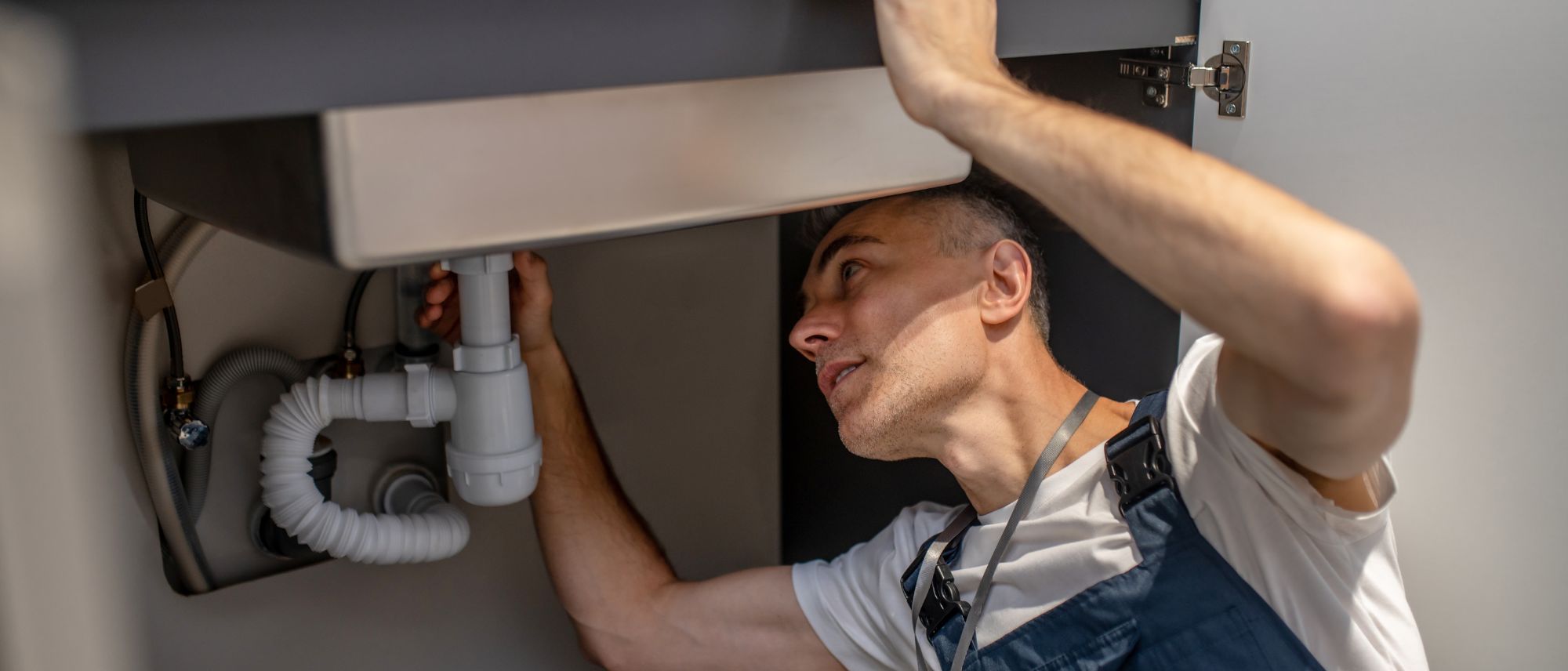
If your landlord refuses repairs in the USA, you should document the issue, inform them formally, and take structured action if needed. Most landlords are legally required to maintain safe and livable conditions. The key is not reacting emotionally—but responding in a way that protects you.
When a Small Problem Starts Becoming Bigger
It rarely begins as a serious issue.
Maybe it’s a leaking sink. At first, it feels manageable. You place a bucket, wipe the area, and assume it will be fixed soon.
You message your landlord. They reply casually—“I’ll get it checked.”
That sounds reassuring.
A few days pass. Nothing happens.
The leak continues. The cabinet starts swelling. A faint smell begins to build.
Now the problem is no longer minor.
It’s affecting your space, your comfort, and slowly—your patience.
What Most Tenants Do (And Why It Backfires)
At this stage, most people continue the same pattern.
They send another message. Maybe make a call. Sometimes they remind the landlord politely again.
It feels reasonable.
But something important is missing.
There’s no clear record. No timeline. No structured communication.
Weeks later, when the issue becomes serious, it becomes difficult to answer simple questions:
When did you report it?
How many times did you follow up?
How long has it been ignored?
And that’s where frustration turns into disadvantage.
Also read: How to Find Roommates in USA (Safe & Verified Methods)
When the Situation Changes Legally
Now imagine the same situation handled slightly differently.
Instead of continuing informal messages, you pause and take a step back.
You take photos of the leak, note the date, and send a clear written message explaining the issue while requesting a repair.
The tone is still calm—but now it is clear.
Something shifts.
The problem hasn’t changed—but the situation has.
Because now, there is proof.
And once a landlord is aware of a problem through clear communication, their responsibility becomes stronger.
What It Feels Like When Nothing Happens
Even after doing everything right, delays can still happen.
Days go by. Then more days.
You start noticing the issue spreading. Maybe it’s no longer just a leak—it’s damage. Maybe it begins affecting your daily routine.
At this point, it’s not just frustrating.
It starts to feel unfair.
You’re paying rent. You’re doing your part. But your living conditions are not improving.
That feeling is valid.
But what matters now is not just how you feel—it’s what you do next.
When a Delay Becomes a Risk
Some problems cross a line.
A broken heater in winter. Faulty wiring. Severe mold. Major plumbing failure.
These are not just inconveniences.
They affect safety.
In such moments, the situation changes again—not emotionally, but legally.
Delays in serious repairs are treated differently because they impact basic living conditions.
And that gives you more options.
What Strong Tenants Do Differently
People who handle these situations well don’t react faster.
They don’t just react—they respond with clarity. Staying calm, they shift into a more structured approach, keeping proper records, following up clearly, and avoiding unnecessary arguments.
Because of that, when they escalate the issue—if they need to—they are taken seriously.
Not because they are louder.
But because they are prepared.
When You Realize You Need to Take It Further
Sometimes, despite everything, nothing changes.
That moment is important.
Because now, the situation is no longer about waiting.
It’s about deciding your next move.
At that stage, consider reaching out to local housing authorities, exploring legal options, or using remedies allowed under law to push the repair forward.
But this step requires awareness.
Because acting without understanding the rules can create new problems.
And the goal here is not just to fix the issue—it is to stay protected while doing it.
What You Should Be Careful About
Frustration can push you toward quick decisions.
Stopping rent. Fixing things yourself without notice. Ignoring lease terms.
In the moment, these feel justified.
But later, they can be used against you.
That’s why control matters.
Not just over the situation—but over your response to it.
How This Situation Connects to Bigger Problems
Repair issues rarely stay isolated.
They often lead to:
- Conflicts with landlords
- Disputes over deposits
- Tension that affects your entire stay
What started as a small leak can slowly turn into a much bigger issue.
Unless it is handled early—and correctly.
What Actually Works in Real Life
There’s a pattern you’ll notice.
Tenants who handle these situations well don’t depend on luck.
They depend on clarity.
Instead of reacting emotionally, they communicate clearly, document early, and take action before the situation gets worse.
Because of that, most issues get resolved before they reach a breaking point.
And even if they don’t—the tenant remains in control.
Also read: Rental Scams in USA: How to Avoid Fraud While Booking Rooms (2026 Guide)
FAQs
What should I do if my landlord refuses repairs?
Start by documenting the issue and communicating clearly in writing. Keep records and follow up in a structured way.
How long should I wait for a repair?
It depends on the seriousness of the issue. Urgent problems should be addressed quickly, while minor issues may take longer.
Can I take action if nothing is fixed?
Yes, but actions depend on state laws. It’s important to understand your options before proceeding.
What if the issue affects my health?
Act immediately. Document everything and consider contacting local authorities if needed.
Can I report my landlord?
In many cases, yes. Local housing or health departments may handle such complaints.
How can I avoid such situations in the future?
Communicate early, keep records from the beginning, and understand your lease and rights.
Final Thought
It never starts as a big problem.
It becomes one over time.
If your landlord refuses repairs, the situation tests your patience—but more importantly, your approach.
Stay calm.
Stay clear.
And most importantly—stay in control of how you respond.
Also read: Cheap Apartments in USA for Students (City-Wise Guide 2026)