
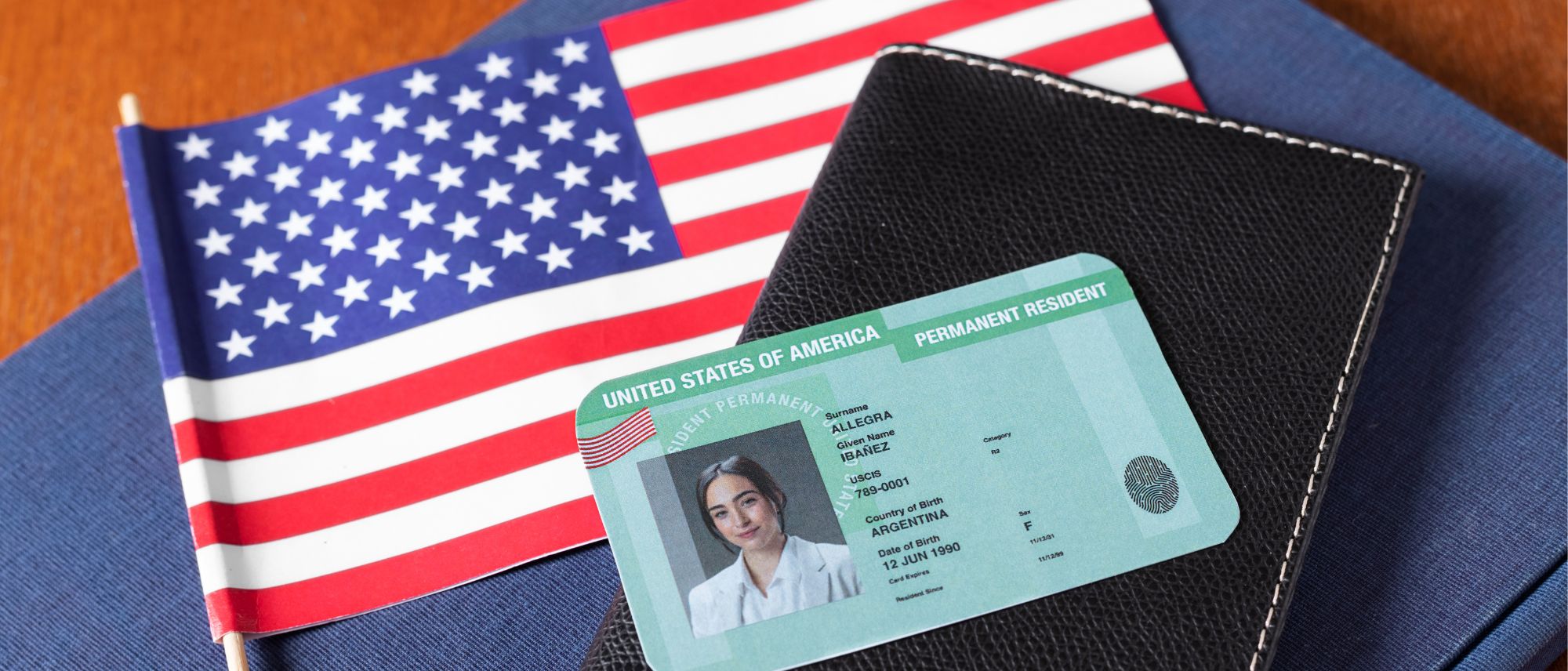
For many immigrants, getting a Green Card is the ultimate goal. After all, it provides permanent residency in the United States and opens the door to long-term stability, career growth, and eventually citizenship. However, one of the biggest concerns applicants have is the Green Card processing time in 2026.
Since immigration timelines constantly change due to policy updates, application volume, and country caps, understanding the latest estimates is essential. Therefore, this updated 2026 guide explains current timelines, category-wise waiting periods, and practical ways to avoid unnecessary delays.
What Is a Green Card?
A Green Card, officially known as a Permanent Resident Card, allows a foreign national to live and work permanently in the United States. It is issued by the U.S. Citizenship and Immigration Services (USCIS).
There are multiple ways to obtain permanent residency. However, the processing time depends entirely on the category under which you apply.Average Green Card Processing Time in 2026
In 2026, the Green Card processing time varies significantly based on:
- Type of application
- Country of chargeability (especially for India & China)
- Visa bulletin priority dates
- USCIS workload
On average, processing times range from 8 months to over 10 years, depending on the category.
Now, let’s break this down clearly.
Family-Based Green Card Processing Time in 2026
Family sponsorship remains one of the most common pathways.
1. Immediate Relatives of US Citizens
This category includes:
- Spouse of a US citizen
- Unmarried children under 21
- Parents of US citizens
Since there is no annual cap in this category, the processing time in 2026 is approximately: 12–18 months
However, timelines may vary depending on whether the applicant is applying from inside or outside the US.
2. Family Preference Categories
Unlike immediate relatives, these categories are subject to annual limits. Therefore, waiting periods are longer.
Estimated 2026 timelines:
- F1 (Unmarried adult children of US citizens): 6–8 years
- F2A (Spouse/children of permanent residents): 2–4 years
- F3 (Married children of US citizens): 10–14 years
- F4 (Siblings of US citizens): 14–20+ years
For applicants from India, waiting times may be even longer due to high demand.
Employment-Based Green Card Processing Time in 2026
For skilled professionals, employment-based categories are extremely popular.
EB-1 Category
This includes:
- Extraordinary ability individuals
- Outstanding professors/researchers
- Multinational managers
Estimated processing time: 8–14 months (if current)
However, backlog for Indian applicants may extend beyond 2–3 years depending on priority date movement.
EB-2 Category
This applies to advanced degree professionals and those with exceptional ability.
For India in 2026: 8–12+ years (due to heavy backlog)
For other countries: 1–3 years
EB-3 Category
This category includes skilled workers and professionals.
Estimated 2026 timeline:
- India: 10–15+ years
- Other countries: 2–4 years
Clearly, country caps significantly affect Green Card processing time in 2026.
Diversity Visa (DV Lottery) Processing Time
The Diversity Visa program offers Green Cards through a lottery system.
If selected: Processing usually completes within 12–18 months
However, India is currently not eligible for the DV Lottery due to high immigration numbers.
Adjustment of Status vs Consular Processing
Another important factor influencing Green Card processing time in 2026 is the method of application.
Adjustment of Status (Inside the US)
If you are already in the US legally, you may apply through adjustment of status.
Average time: 8–20 months
Consular Processing (Outside the US)
If applying from your home country, you will attend an interview at a US consulate such as the U.S. Consulate General Mumbai or U.S. Embassy New Delhi.
Average time: 12–24 months
Processing may be delayed due to administrative processing or document issues.
Why Is There a Backlog for Indian Applicants?
One major reason for long Green Card processing time in 2026 is the per-country cap.
US immigration law limits each country to approximately 7% of total employment-based visas annually. Since India has a very high number of applicants, especially in EB-2 and EB-3 categories, priority dates move slowly.
As a result, Indian professionals often wait several years longer than applicants from other countries.
Factors That Affect Green Card Processing Time
Several variables influence timelines:
- Category of application
- Country of birth
- Accuracy of documentation
- Background checks
- USCIS workload
- Requests for Evidence (RFE)
Even small errors can lead to months of delay. Therefore, documentation accuracy is crucial.
How to Check Your Green Card Processing Time
You can monitor updates through:
- USCIS processing time tool
- Visa Bulletin updates
- Case status tracking online
The Visa Bulletin plays a key role in determining priority date movement.
How to Avoid Delays in 2026
Although waiting periods cannot always be controlled, you can minimize delays by:
- Submitting complete documentation
- Responding quickly to RFEs
- Keeping priority dates monitored
- Filing medical exams on time
- Ensuring employer compliance (for EB cases)
Preparation reduces avoidable delays.
Can Premium Processing Speed Up Green Card?
Premium processing applies only to certain petitions (like I-140), not the final Green Card approval itself.
While it may speed up petition approval to 15 days, it does not bypass visa bulletin backlogs.
Therefore, for Indian EB-2 or EB-3 applicants, premium processing will not eliminate long wait times.
Also read: US Student Visa Process from India (Step-by-Step Guide)
What to Expect in 2026?
In 2026:
- USCIS continues backlog reduction efforts
- Digital filing systems are improving
- However, employment-based caps remain unchanged
Unless immigration laws change, Indian applicants may continue facing longer queues in EB categories.
Understanding the Green Card processing time in 2026 is essential before planning your immigration journey. While some categories process within a year, others may take a decade or more, especially for applicants from India.
Therefore:
- Choose the right category carefully
- Monitor your priority date
- Keep documents accurate
- Stay updated with policy changes
Most importantly, patience is key. Although the process may feel long, thousands successfully receive their Green Cards every year.