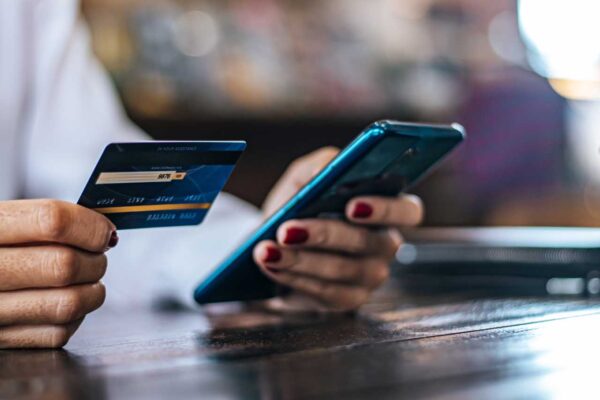

For many Indians, credit cards feel convenient and harmless—until they suddenly become stressful. In reality, credit cards become dangerous not because of banks, but because of small habits that go unnoticed.
In 2026, with rising expenses and easy credit access, ignoring these habits can quietly push users into debt, interest traps, and poor credit scores.
Habit 1: Treating Credit Limit as Extra Income
Many cardholders mistake their credit limit for available money.
This habit leads to:
- Overspending beyond monthly income
- High credit utilisation
- Long-term repayment pressure
A credit limit is borrowing power, not savings.
Habit 2: Ignoring Billing Cycles and Due Dates
Not knowing your billing cycle creates confusion.
When users ignore dates:
- Interest applies on carried balances
- Grace periods disappear
- Late fees pile up silently
Knowing your cycle helps you stay interest-free.
Habit 3: Paying Minimum Due Regularly
Paying the minimum due feels safe—but it’s risky.
This habit causes:
- Interest accumulation
- Slow debt reduction
- Higher total repayment
Minimum due protects the bank, not the user.
How These Habits Slowly Turn Dangerous
Individually, these habits seem harmless.
Together, they create:
- Financial stress
- Poor money discipline
- Reduced loan eligibility
Credit cards reward discipline and punish neglect.
Real Signs Your Credit Card Usage Is Becoming Risky
Watch out if:
- You don’t know your outstanding balance
- You avoid checking statements
- You rely on EMIs to manage expenses
These signals indicate loss of control.
How to Use Credit Cards Safely in 2026
Safe usage requires simple rules:
- Spend within monthly income
- Pay full dues every month
- Track statements regularly
Used correctly, credit cards remain powerful tools.
Final Thoughts
Credit cards are not dangerous by design. Habits make them dangerous. Controlling these three habits protects your finances, credit score, and peace of mind.
Awareness is the first line of defence.