
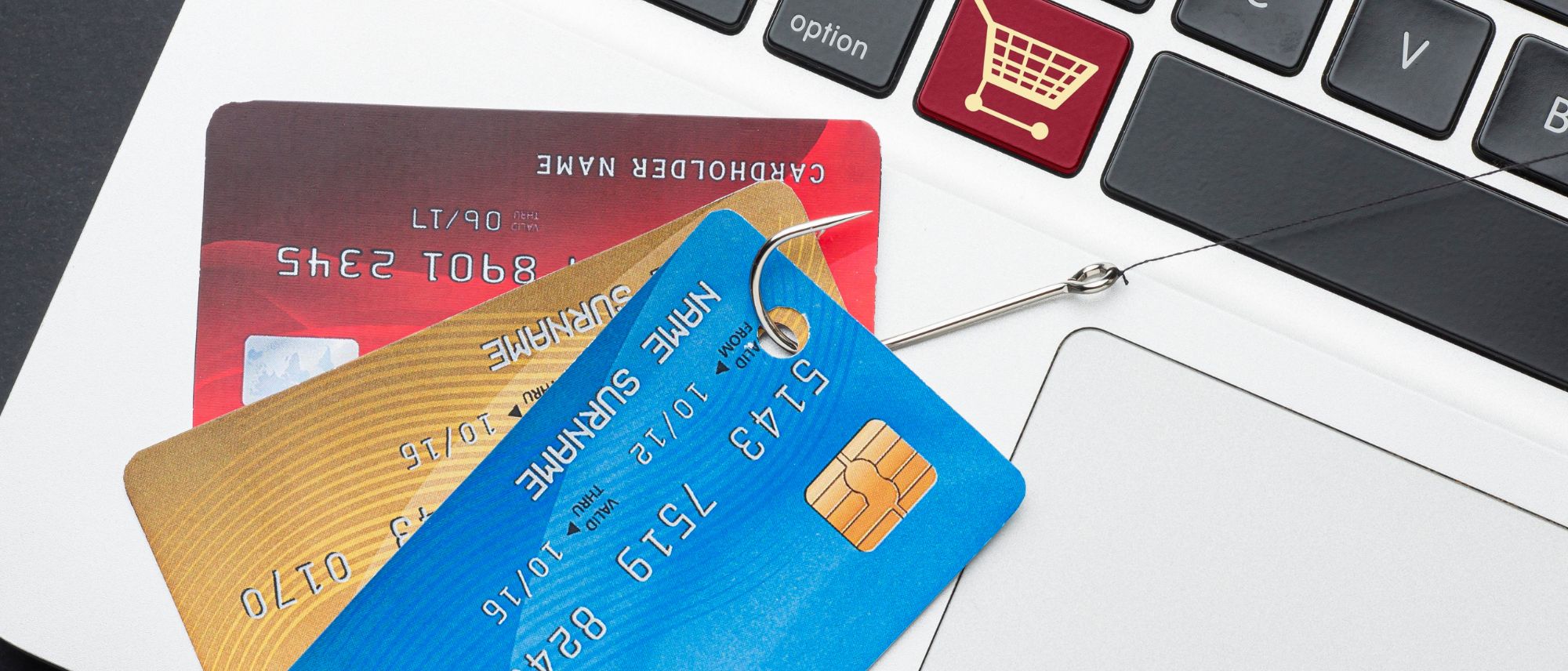
One day, you receive a message from your bank saying your credit card limit has been increased. There is no request involved, no paperwork to complete, and no questions asked by the bank. It feels good, almost like a reward for being a responsible customer.
But an automatic credit card limit increase is not a gift. It is a carefully calculated move by banks, and in many cases, it can quietly push you toward higher debt.
Let’s understand why banks increase your credit card limit automatically and why this convenience can turn risky if you are not careful.
What Is an Automatic Credit Card Limit Increase?
An automatic credit limit increase means the bank raises your existing credit card limit without asking for your consent. Banks usually do this based on:
- Your repayment history
- Regular card usage
- Salary or income pattern
- Credit score
- Spending behaviour
From the bank’s perspective, you look like someone who can handle more credit. From your perspective, it feels like extra financial freedom.
Why Banks Increase Credit Card Limits
Banks do not increase limits to help you spend comfortably. They do it to increase their earning potential.
1. Higher Limit Encourages Higher Spending
When your limit goes up, your mind adjusts to the new number. Expenses that once felt “too much” suddenly feel acceptable.
More spending means:
- Higher outstanding balances
- Higher interest income for banks
- Greater chances of customers revolving credit
2. Interest Earnings Multiply
Credit card interest is charged as a percentage of the outstanding amount. A higher limit allows you to carry a larger balance.
If you delay full payment even once, banks start earning interest on a much bigger amount — month after month.
3. Psychological Comfort Is a Trap
A higher limit gives a false sense of safety. You feel prepared for emergencies, but in reality, you are just one swipe away from long-term debt.
Banks understand this psychology very well.
Why a Higher Credit Limit Can Be Dangerous
1. You Spend More Without Realising
Studies and real-life behaviour show that people spend more when limits increase, even if income remains the same.
This leads to:
- Lifestyle inflation
- Non-essential purchases
- Reduced monthly savings
2. Repayment Becomes Harder
A ₹50,000 bill feels manageable. A ₹2,00,000 bill does not.
When limits rise:
- Minimum due looks small
- Interest impact becomes massive
- Debt takes longer to clear
3. Credit Utilization Can Hurt Your CIBIL Score
Your credit score depends heavily on how much of your limit you use.
If your spending increases along with the limit:
- Credit utilisation crosses safe levels
- CIBIL score may drop
- Loan approvals can get affected
Why Banks Don’t Warn You Clearly
Banks mention the risks in emails or terms and conditions, but most customers never read them. Limit increase messages are designed to feel positive, urgent, and rewarding.
You rarely see messages like:
- “Higher limit may increase your debt”
- “Interest cost may rise sharply”
Because that would reduce spending — and banks don’t want that.
When a Credit Limit Increase Is Actually Useful
Automatic limit increases are not always bad. They can help when:
- You control spending strictly
- You pay full outstanding every month
- You use cards only for planned expenses
- You need short-term liquidity, not lifestyle upgrades
The risk is not the limit — it’s uncontrolled usage.
What You Should Do When Your Limit Increases
Here’s the smart approach:
- Do not change your spending habits
- Keep monthly usage below 30% of the total limit
- Disable international and cash withdrawal features if unused
- Track statements weekly, not monthly
- Ask the bank to reduce the limit if needed
Yes, you can request a limit reduction. Very few people know this.
An automatic credit card limit increase feels like progress, but it is actually a test. Banks test how much more you can spend, not how responsibly you can manage money.
A credit card is safest when you treat the limit as unavailable money, not extra income.
The moment spending starts increasing just because the limit did — the danger begins.
Also read : Minimum Due Credit Card: Why Banks Want You to Pay Less