
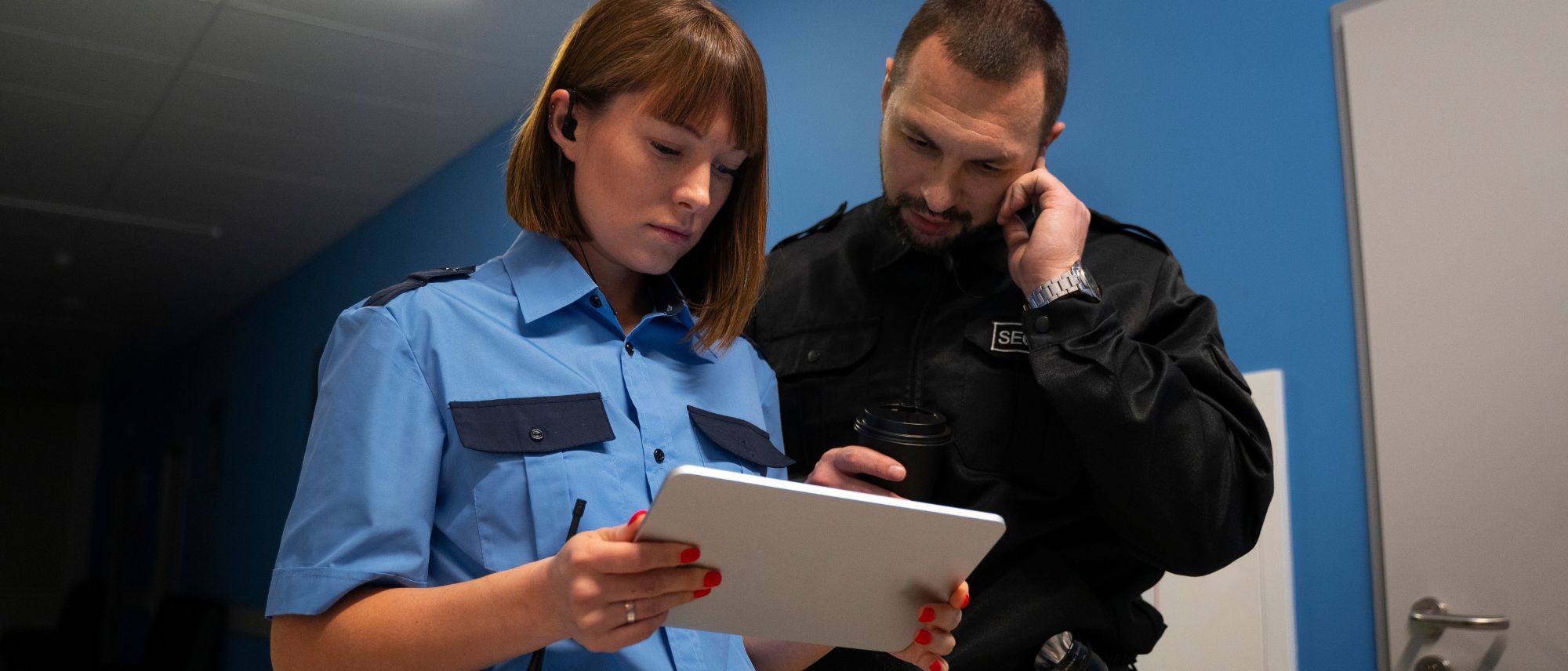
In most situations, police cannot enter your apartment without permission in the USA. They usually need a warrant, your consent, or a genuine emergency to legally step inside. However, what actually happens in real life is not always that simple—and your reaction in that moment can completely change the outcome.
Why This Situation Feels So Intense
It doesn’t start with law.
It starts with a knock.
You’re inside your apartment. Maybe it’s late. Maybe you weren’t expecting anyone. Then suddenly, there are police officers at your door.
In that moment, logic takes a back seat.
You don’t think about legal rights. You think about consequences.
What if I don’t open the door?
Will this make things worse?
That pressure is real. And because of that pressure, many people give up their rights without even realizing it.
What the Law Actually Says (Without Complication)
Your apartment is your private space.
In the US, that space is legally protected. Police cannot enter it freely just because they want to talk or check something.
They need one of three things:
- A valid warrant
- Your permission
- A real emergency
Without one of these, entry is generally not allowed.
But here’s the part most people miss:
In real life, entry often happens because of consent—not force.
Real Scenario (What Actually Happens)
Picture this clearly.
It’s a normal evening. You hear a knock. When you look through the peephole, you see police officers standing outside.
They speak calmly.
“We just want to ask a few questions.”
There’s no shouting. No urgency. No visible threat.
That’s exactly why it feels safe to open the door.
You unlock it, maybe out of respect, maybe out of nervousness. You step slightly aside while talking. The officers step in, and the conversation continues inside your apartment.
At that moment, nothing feels wrong.
But legally, that small decision—opening the door and allowing space—can be treated as permission.
Now imagine the same situation handled differently.
You stay inside and keep the door closed. Then, speaking calmly through the door, you ask if they have a warrant.
They say no.
You respond politely that you’re not comfortable allowing entry but are willing to talk from there.
No argument. No tension.
Just clarity.
In this version, nothing escalates—but your legal position remains protected.
The situation didn’t change.
Your response did.
And in the US legal system, that difference matters more than most people realize.
When Police Can Enter Without Permission
There are situations where police do not need your consent.
But these are not casual situations—they are urgent.
For example, if someone inside is in danger, if there is a violent incident, or if officers are chasing a suspect who runs into a property, they can enter without waiting.
In these moments, the law prioritizes immediate action over procedure.
However, these are exceptions—not the rule.
If there is no urgency, the normal legal protection still applies.
Where Most People Make a Mistake
The biggest mistake is not refusing entry.
The biggest mistake is not realizing you already allowed it.
People don’t say “yes” clearly.
They just:
- Open the door
- Step aside
- Try to be cooperative
And that is often enough.
Later, when they think back, they feel like they had no choice.
But legally, that moment is interpreted differently.
Consent doesn’t have to be spoken—it can be implied.
What Should You Do in That Moment
You don’t need to be aggressive.
You don’t need to argue.
But you do need to stay aware.
If police ask to enter, slow the moment down.
Ask calmly:
- “Do you have a warrant?”
If the answer is no, you can respond:
- “I’m not comfortable allowing entry, but I can speak from here.”
That’s it.
No confrontation.
No disrespect.
Just clarity.
In most cases, that alone keeps the situation under control.
What If They Enter Anyway
This is where emotions can rise quickly.
If police enter your apartment without clear consent, a warrant, or an emergency, your instinct might be to react strongly.
But that can make things worse.
Instead, stay calm.
Do not resist physically. Do not argue aggressively.
Observe what is happening.
Remember details.
You can challenge the situation later. You don’t need to fight it in that moment.
The Reality Most People Don’t Expect
This is not about police vs tenant.
It’s about pressure vs awareness.
In many cases, nothing illegal happens.
But people still feel uncomfortable later because they didn’t fully understand what they agreed to in that moment.
That’s why this topic matters.
Not because it happens every day—but because when it does, it catches people off guard.
Also read: Cheap Apartments in USA for Students (City-Wise Guide 2026)
How This Connects to Your Rights as a Tenant
This situation is not isolated.
It connects to a bigger idea: Your space has legal protection.
Just like:
- A landlord cannot enter without proper notice in most situations
- You cannot be removed from your home without legal process
Authorities also follow defined limits.
Once you understand that pattern, situations like this feel less intimidating.
Also read: Best Cities to Live in USA for Students (Affordable + Safe + Jobs 2026)
FAQs
Can police enter your apartment without permission in the USA?
In most cases, no. They need a warrant, your consent, or an emergency situation.
What should I do if police knock on my door?
Stay calm. Ask if they have a warrant. If not, you can choose to speak without allowing entry.
Can police force entry without a warrant?
Only in urgent situations where immediate action is required, such as danger or active crime.
What if I accidentally allowed them inside?
Stay calm. Do not resist. Handle the situation carefully and address concerns later if needed.
Do I have the right to refuse entry?
Yes, you can refuse entry if there is no warrant or emergency.
What should I do to protect myself in such situations?
Stay aware, respond calmly, and avoid making quick decisions under pressure.
Final Thought
Moments like this are not about knowing every law.
They are about staying calm when it matters.
If you are wondering can police enter your apartment without permission, the answer is usually no.
But in real life, it often depends on how you respond in those first few seconds.
Slow down.
Stay clear.
And make your decision—not a reaction.
Also read: How to Find Roommates in USA (Safe & Verified Methods)